Vijay Prakash Singh: Difference between revisions
Created page with "{{#seo: |title=Vijay Prakash Singh – Global Technology Leader, Enterprise Architect and AI Transformation Executive |title_mode=replace |keywords=Vijay Prakash Singh, Vijay Prakash Singh biography, Vijay Prakash Singh CBRE, Vijay Prakash Singh Enterprise Architect, Vijay Prakash Singh AI Architect, Global Technology Leader India, Enterprise Architecture, Artificial Intelligence, AI Governance, Enterprise AI Architect, Chief AI Architect, Digital Transformation, Autonom..." |
No edit summary |
||
| Line 41: | Line 41: | ||
}} | }} | ||
'''Vijay Prakash Singh''' is an Indian | '''Vijay Prakash Singh''' (born 10 January 1984) is an Indian technology leader specialising in enterprise architecture, artificial intelligence, technology strategy and digital transformation. His professional identity includes the role of Senior Director and Head – Enterprise Architecture & AI, together with global vice-president and zonal chief information officer-level leadership positioning. | ||
His professional journey spans computer science engineering, enterprise technology, architecture strategy, international technology environments and the development of approaches for AI-enabled enterprise transformation. His areas of interest include Generative AI, Agentic AI, enterprise intelligence, cloud architecture, data platforms, technology governance and responsible AI. | |||
Singh is associated with the development of the '''Enterprise Architecture 5.0''' philosophy and the '''ATLAS™ (Architecture Transformation & Leadership Alignment System)''' framework. These concepts focus on connecting business strategy, architecture intelligence, governance, investment, transformation execution and measurable business outcomes. | |||
Born in Khalilabad in Uttar Pradesh, Singh grew up in a family with a strong association with education. His journey from computer science engineering to technology leadership has been shaped by family values, academic mentorship, professional experience and continuous learning. | |||
== Early Life and Family Background == | |||
=== Birth and Ancestral Roots === | |||
Vijay Prakash Singh was born on 10 January 1984 in Khalilabad, in the Sant Kabir Nagar district of Uttar Pradesh, India. He was born to Mr. Laxmi Kant Singh, a Composite School Principal, and Mrs. Chandravati Devi Singh, a homemaker. | |||
His family has ancestral roots in Jiwdhra village under Bagholi Block, within the jurisdiction of Bakhira Police Station. The Singh family has longstanding connections with the village, where the family maintains ancestral homes and properties. Its heritage includes a traditional association with zamindari and the social and cultural history of the region. | |||
In 1987, the family relocated to Gorakhpur to provide better educational opportunities for Vijay's elder brothers and sisters. Vijay subsequently continued his education in Gorakhpur, where he spent significant formative years of his childhood and adolescence. | |||
His parents placed considerable importance on education and worked to provide their children with access to better learning opportunities. Their emphasis on education, discipline and personal development became an important influence on his outlook. | |||
== Early | === Childhood and Early Influences === | ||
Singh's childhood was shaped by a family environment in which education, responsibility and professional development held an important place. His father and elder paternal uncle were associated with school leadership, while several members of his extended family also worked in educational and academic professions. | |||
He began his education at Government Primary School, Badhya Babu, followed by Government Middle School, Babhani, both located within the Gram Panchayat of his native village. | |||
His father and elder paternal uncle, affectionately known as Bade Pitaji, played influential roles in nurturing his ambitions and shaping his approach to learning. Mrs. Chandravati Devi Singh and Mrs. Rukmini Devi Singh were also important maternal figures in his upbringing. He credits their affection, guidance and encouragement with contributing to his cultural values, humility and respect for others. | |||
Among his early educators, mathematics teacher Mr. Dayaram Gupta left a lasting impression on his intellectual development. His elder brothers and sisters also served as sources of guidance and motivation. | |||
These experiences helped establish an appreciation of education as a foundation for personal development and professional opportunity. As his interests developed, Singh became increasingly drawn towards computers and technology. | |||
== The Singh Family – Heritage, Education and Values == | |||
The Singh family has played an important role in Vijay Prakash Singh's personal and educational journey. Its background reflects a combination of traditional family roots, educational service, professional responsibility and encouragement across generations. | |||
== | === Grandparents and Family Foundations === | ||
His paternal grandfather, Late Mr. Chandrabhan Singh, was regarded as an important foundation of the family. His paternal grandmother, Late Mrs. Fulvasi Devi Singh, also holds an integral place in the family's history and heritage. | |||
The family's traditional background and ancestral connections in Jiwdhra village form part of its identity. Alongside this heritage, education and the development of future generations became central elements of the family's values. | |||
=== | === Parents === | ||
His | '''Mr. Laxmi Kant Singh''' is a retired Composite School Principal. His professional life in education represented an important influence within the family. His association with teaching and school administration reinforced the importance of knowledge, discipline and educational development. | ||
'''Mrs. Chandravati Devi Singh''' is a homemaker. Her contribution to the family has been associated with care, commitment, emotional support and the values that sustain family relationships. | |||
Together, his parents created an environment in which education, family bonds, responsibility and personal development were strongly valued. | |||
=== Bade Pitaji and Badi Maa === | |||
Late Mr. Uma Shankar Singh, affectionately known as Bade Pitaji, was Vijay's paternal uncle. He was a retired Composite Junior High School Principal. | |||
Singh | His wife, Late Mrs. Rukmini Devi Singh, was lovingly remembered as Badi Maa and was an important figure in the extended family. | ||
The presence of two school principals in the immediate family strengthened the family's association with education and academic service. Their influence contributed to the environment of guidance, learning and family care in which Vijay grew up. | |||
=== Bua and Fufa === | |||
Late Mr. Balram Singh, his Fufa, served as a Block Development Officer (BDO). Late Mrs. Krishna Singh, his Bua, was a homemaker. | |||
Their encouragement and belief in education were important influences on Vijay's aspirations. Their example reinforced the idea that the desire to learn and progress can emerge from conviction, motivation and family encouragement, irrespective of formal academic background. | |||
=== Brothers and Sisters === | |||
Vijay's siblings have pursued professional careers in education, public service and other fields. | |||
==== Brothers and Sisters-in-Law ==== | |||
'''Mr. Sri Prakash Singh''' holds an M.Sc. in Physics and a B.Ed. and serves as the Principal of a Government Junior High School. He is married to '''Mrs. Pushpa Singh''', who holds an M.A. and B.Ed. They have a son, '''Mr. Sarthak Singh'''. | |||
'''Mr. Jai Prakash Singh''' holds an M.Sc. in Physics and Mathematics and a B.Ed. He serves as a Lecturer at Maharana Pratap Inter College, Gorakhpur, Uttar Pradesh. He is married to '''Mrs. Neha Singh''', who holds an M.A., B.Ed. and a Diploma in Information Technology from NIIT. They have two daughters, '''Miss Mugdha Singh''' and '''Miss Vedisha Singh'''. | |||
Singh' | '''Mr. Satya Prakash Singh''' holds an M.Sc. in Zoology, B.Ed., M.Ed. and Ph.D. He serves as Proctor (an Assistant Professor) at Maa Pateshwari University, Balrampur, Uttar Pradesh. Previously, he served as Registrar at Buddha Institute of Technology, Gorakhpur, and as a B.Ed. Lecturer at M.P.P.G. College, Jungle Dhusan, Gorakhpur. | ||
He is married to '''Mrs. Sunita Singh''', who holds an M.A., B.Ed., M.Ed. and Ph.D. They have two sons, '''Mr. Ishant Singh''' and '''Mr. Shivansh Singh'''. | |||
==== Sisters and Their Families ==== | |||
'''Mrs. Pushpa Singh''' holds a B.A. in History and is married to '''Mr. Dhirendra Singh''', a self-employed businessman. They have three children: '''Mr. Raghvendra Singh''', '''Mrs. Divya Singh''' and '''Mr. Shivam Singh'''. | |||
'''Mrs. Renu Singh''' holds an M.A. in History and Political Science and serves as a teacher at Composite School, Pachwas, Ayodhya, Uttar Pradesh. She is married to '''Mr. Radheyshyam Singh''', a former Indian Army officer. Their children are '''Miss Priyanka Singh''', who serves as a Lekhpal in the Uttar Pradesh Government, '''Mr. Pushkar Singh''' and '''Mr. Puneet Singh'''. | |||
== | === The Next Generation === | ||
The next generation of the Singh family includes Sarthak, Ishant, Shivansh, Mugdha, Vedisha and Shanvi. They represent the continuation of the family's traditions, aspirations and emphasis on education and personal development. | |||
For Vijay, family legacy is not limited to lineage. It also involves nurturing future generations through education, values, ambition and opportunities to develop their own identities. | |||
== Marriage, Family, Relationships and the Birth of His Daughter == | |||
Vijay Prakash Singh married '''Dr. Anshika Singh''' on 1 December 2014. Their marriage represents an important milestone in his personal journey and the beginning of a new chapter of shared family responsibilities and experiences. | |||
=== Dr. Anshika Singh – Wife === | |||
Dr. Anshika Singh is a healthcare and wellness practitioner whose qualifications and professional interests span nutrition, naturopathy, yoga, dietetics, diabetes education, acupuncture and cosmetology. | |||
Her academic and professional qualifications include: | |||
* Bachelor of Naturopathy and Yogic Sciences (BNYS). | |||
* MD in Naturopathy, Yoga, Nutrition and Dietetics, and Acupuncture. | |||
* Postgraduate Diploma in Dietetics (PGDD). | |||
* Diploma in Diabetic Education (IDEEL) – International Diabetic Educator. | |||
* Certified Cupping Therapist – International Cupping Association. | |||
* Panchakarma Therapist. | |||
* Cosmetologist. | |||
* M.Sc. in Food Science and Nutrition. | |||
Dr. Anshika Singh is the daughter of '''Mr. Harish Chandra Singh''', a retired Office Superintendent from Coal India Limited, Betul, Madhya Pradesh, and '''Mrs. Manju Singh''', a homemaker. Her family traces its ancestral roots to Bhojapur, Bagahi village in Ghazipur district, Uttar Pradesh. | |||
=== | === Birth of Their Daughter === | ||
Vijay and Dr. Anshika Singh welcomed their daughter, '''Miss Shanvi Prakash Singh''', on 10 October 2017. | |||
Her birth marked a cherished milestone in their family journey. The family chapter brought together shared responsibilities, parental experiences and the values of companionship, care and family relationships. | |||
=== Family Photographs and Memories === | |||
Family photographs preserve important moments in Vijay's personal life and reflect the relationships he values beyond his professional responsibilities. | |||
The following gallery presents two family photographs associated with his marriage, family life and relationships with parents and elders. | |||
<gallery mode="packed" heights="280"> | |||
File:Family Photographs and Memories.jpg|Family photograph with parents and family members. | |||
File:Elddeers.jpg|Family portrait with loved ones and family elders. | |||
</gallery> | |||
=== Relationships and Family Values === | |||
Beyond his professional responsibilities, Singh places importance on family, mutual respect and enduring human relationships. He shares a particularly close bond with his father-in-law, Mr. Harish Chandra Singh, whom he considers one of the treasured relationships in his personal life. | |||
One of the principles he associates with marriage is that there should be no distinction between one's own parents and one's parents-in-law. For him, marriage represents the coming together of two individuals as well as their families, values and responsibilities. | |||
He believes that affection and respect should continue through different circumstances and that meaningful relationships deserve to be preserved through understanding and mutual regard. | |||
His guiding belief is that relationships are strengthened not by the absence of challenges, but by the commitment to preserve love, dignity and respect. | |||
== | == Education and Academic Journey == | ||
=== School Education === | |||
Vijay completed his secondary and higher-secondary education at '''Mahatma Gandhi Inter College, Gorakhpur, Uttar Pradesh''', under the Uttar Pradesh Board. | |||
His school years helped develop his interest in mathematics, computers and technology, which later influenced his decision to pursue engineering. | |||
=== Bachelor of Technology in Computer Science and Engineering === | |||
He pursued a Bachelor of Technology in Computer Science and Engineering at '''Babu Banarasi Das National Institute of Technology and Management (BBDNITM), Lucknow''', affiliated with Uttar Pradesh Technical University (UPTU). He graduated in 2007. | |||
His engineering education provided a foundation in computing systems, software engineering, technology platforms and the principles of designing information systems. | |||
== | === Academic Mentors and Engineering Faculty === | ||
Singh acknowledges the influence of his engineering faculty, whose academic guidance and mentorship contributed to his intellectual development and professional aspirations. | |||
Among the professors he identifies as influential during his engineering years are: | |||
* Dr. Akhilesh Das Gupta | |||
* Dr. Alka Gupta | |||
* Dr. Ravi Kahare | |||
* Dr. A. K. Mitra | |||
* Dr. Shraddha Sinha | |||
* Dr. Vivek Kumar Singh | |||
* Dr. Shahanshah Haider Abdi | |||
* Dr. Kamil Rizvi | |||
* Dr. Kripa Shankar Pathak | |||
* Dr. Subha Mishra | |||
* Dr. Anurag Srivastava | |||
* Dr. Kulbhushan Singh | |||
He regards their teaching and mentorship as important influences extending beyond classroom instruction into problem-solving, continuous learning, leadership and professional development. | |||
== | == Higher Education and Doctoral Studies == | ||
=== Return to Academic Inspiration === | |||
Nearly fourteen years after completing his engineering degree in 2007, Vijay revisited his engineering college. The visit renewed his connection with the academic community that had shaped his early intellectual development and encouraged reflection on further formal education. | |||
His interest in postgraduate and doctoral studies was influenced by conversations with former faculty members and the academic achievements of people in his extended family. | |||
=== Faculty Recommendation === | |||
A recommendation letter dated 14 October 2026 from Dr. V. K. Singh, Professor and Director – Engineering at Babu Banarasi Das Northern India Institute of Technology, provides an account of Vijay's undergraduate performance during the 2003–2007 B.Tech. programme. | |||
Dr. Singh taught him Theory of Automata and Formal Languages, Discrete Structures, and Computer Organization and Architecture. | |||
The letter records that Vijay ranked among the top five students in his batch throughout all eight semesters. It also describes his academic aptitude, analytical thinking, ability to understand complex concepts, independent work, participation in academic discussions and contribution to campus activities. | |||
The recommendation mentions his participation in the Computer Forum (Association of Computer Engineers), coding competitions and inter-college competitions held during Utkarsh, the institution's annual festival. It also notes his communication skills, organizational initiative and involvement in college activities. | |||
Dr. Singh concluded the letter with a recommendation for the conferment of an honorary doctorate in Technology Strategy and Innovation. | |||
=== Academic Role Models Within the Family === | |||
Vijay's interest in doctoral education was also influenced by academic role models in his extended family. | |||
His cousin, Associate Professor '''Dr. Poonam Singh''', holds a Ph.D. from Jawaharlal Nehru University (JNU), New Delhi. Her academic journey represents an example of scholarly achievement and commitment to higher education. | |||
Her husband has multiple doctoral qualifications, including one from the University of Cambridge. Their academic achievements and encouragement contributed to Vijay's interest in advanced study and research. | |||
He also acknowledges encouragement from Dr. Kripa Shankar Gupta, whose advice helped prompt him to apply for further studies. | |||
=== Doctoral Studies at Golden Gate University === | |||
Following the application process, Vijay received offers from multiple institutions, including DANASTER, ESGCI and Golden Gate University. | |||
He chose '''Golden Gate University (GGU)''' to pursue doctoral-level studies in Emerging Technologies, focusing on Generative AI and Agentic AI. | |||
He is described as a doctoral candidate, and the programme remains an ongoing academic pursuit. His research direction reflects an interest in technologies that are changing enterprise systems, organizational intelligence and business operations. | |||
=== Honorary Doctorate in Technology and Innovation === | |||
Vijay was awarded an '''Honorary Doctor of Philosophy in Technology and Innovation''' by Orange County University (OCU). | |||
The honorary recognition is distinct from his ongoing doctoral studies at Golden Gate University. The OCU recognition is an honorary distinction, whereas the GGU programme is an academic course of study that remains ongoing. | |||
== Professional Career == | |||
=== Beginning of a Professional Journey === | |||
After graduating in Computer Science and Engineering in 2007, Vijay entered the technology profession. His early professional identity included the designation of Senior System Analyst. | |||
The initial stage of his career involved exposure to enterprise systems, software platforms, systems integration and technology delivery. | |||
His responsibilities and professional interests subsequently expanded towards enterprise architecture, technology consulting, global transformation and executive technology leadership. | |||
=== Early Professional Experience === | |||
His professional development has included work and exposure across several technology domains: | |||
* Enterprise application architecture. | |||
* Systems integration and middleware. | |||
* API-led integration and event-driven architectures. | |||
* Enterprise application modernization. | |||
* Cloud and platform architecture. | |||
* Technology consulting and solution design. | |||
* Enterprise systems and business process enablement. | |||
These areas contributed to his understanding of how technology systems must align with business requirements, operational capabilities, security expectations and long-term organizational objectives. | |||
=== Evolution into Enterprise Architecture === | |||
A major development in Singh's career was his transition towards Enterprise Architecture. | |||
He became increasingly focused on connecting business strategy with application landscapes, infrastructure, data platforms, integration ecosystems, security and technology investment decisions. | |||
His enterprise architecture work and interests encompass: | |||
* Enterprise Architecture strategy. | |||
* Architecture governance. | |||
* Target-state architecture. | |||
* Transformation roadmaps. | |||
* Technology standards and principles. | |||
* Application portfolio optimization. | |||
* Architecture review and decision-making. | |||
* Technology lifecycle management. | |||
* Executive stakeholder engagement. | |||
He views Enterprise Architecture as a strategic discipline that connects organizational objectives with technology capabilities and investment decisions. | |||
=== Global Professional Experience === | |||
Singh's | Singh's professional journey has included contributions to initiatives and technology environments associated with international organizations and public-sector environments. | ||
His | His professional experience and engagements have included work associated with: | ||
* Digital Dubai. | |||
* ServiceOntario. | |||
* Canadian public-sector organizations. | |||
* Goldman Sachs. | |||
* Carnival Cruise Line. | |||
* Sabre. | |||
* RSA. | |||
* SecureWorks. | |||
These | These experiences have contributed to his understanding of international enterprise technology environments, business-critical platforms and complex stakeholder ecosystems. | ||
His professional outlook emphasizes balancing global technology standards with local business requirements, regulatory expectations and organizational operating models. | |||
=== Enterprise Architecture Centre of Excellence === | |||
A defining part of his professional approach is the development and evolution of Enterprise Architecture as an organizational capability. | |||
His areas of focus include: | |||
* Enterprise Architecture operating models. | |||
* Architecture Centres of Excellence. | |||
* Architecture principles, standards and patterns. | |||
* Target-state architecture and roadmaps. | |||
* Architecture review boards. | |||
* Application portfolio rationalization. | |||
* Technology lifecycle management. | |||
* Architecture repository management. | |||
* Business capability and technology alignment. | |||
He views the Enterprise Architecture Centre of Excellence as a strategic function that can help organizations manage technology complexity, improve investment decisions and support transformation governance. | |||
=== Technology Leadership and Executive Positioning === | |||
Singh's professional identity extends beyond traditional architecture responsibilities towards broader technology strategy and executive leadership. | |||
AI | His professional positioning includes Senior Director and Head – Enterprise Architecture & AI, together with Global VP and Zonal CIO-level leadership positioning. | ||
His executive technology perspective includes: | |||
* Technology strategy and business alignment. | |||
* Enterprise transformation. | |||
* Technology investment optimization. | |||
* Architecture governance. | |||
* AI portfolio development. | |||
* Organizational innovation. | |||
* Enterprise risk and resilience. | |||
* Strategic stakeholder engagement. | |||
* | |||
* | |||
* | |||
* | |||
* | |||
* | |||
* | |||
His leadership philosophy emphasizes connecting technology decisions directly to organizational priorities and measurable business outcomes. | |||
== Enterprise Transformation and Modernization == | |||
Vijay's transformation interests and professional experience encompass the modernization of complex enterprise environments. | |||
His | His areas of work and strategic focus include: | ||
* | * Application portfolio optimization. | ||
* Legacy platform modernization. | |||
* Cloud migration and optimization. | |||
* Mainframe offloading. | |||
* VMware and infrastructure optimization. | |||
* .NET modernization. | |||
* Enterprise integration modernization. | |||
* Mergers and acquisitions technology integration. | |||
* Technical debt reduction. | |||
* Enterprise governance and transformation assurance. | |||
He emphasizes that transformation should be evaluated through business impact rather than simply the quantity of technology delivered. | |||
His approach focuses on improvements in cost, complexity, operational effectiveness, agility, resilience and organizational decision-making. | |||
== Architecture Governance and Enterprise Decision-Making == | |||
An important dimension of Singh's professional philosophy is structured governance that enables architectural consistency without unnecessarily restricting innovation. | |||
His areas of interest include: | |||
* Architecture Review Boards. | |||
* Architecture Advisory and Governance models. | |||
* Permit-to-Build governance. | |||
* Enterprise Architecture triage. | |||
* Architecture exceptions and risk management. | |||
* Security and compliance assessments. | |||
* Technology standards and design patterns. | |||
* Portfolio-level architecture decisions. | |||
* Governance automation and continuous assurance. | |||
He views governance as an enabler of responsible innovation, controlled transformation and long-term technology sustainability. | |||
== Data, Integration and Cloud Architecture == | |||
Singh's technical and architectural interests span enterprise data architecture, cloud platforms, enterprise integration, event-driven architectures, APIs, middleware and modern digital platforms. | |||
His integration technology exposure includes: | |||
* Solace. | |||
* Apache Kafka. | |||
* TIBCO. | |||
* SnapLogic. | |||
* Boomi. | |||
* MuleSoft. | |||
* Workato. | |||
His broader interests include multi-cloud architecture, enterprise data platforms, application modernization and scalable digital ecosystems. | |||
AI | These disciplines form part of his approach to enterprise-wide AI transformation. | ||
== Artificial Intelligence and Innovation == | |||
=== The Artificial Intelligence Journey === | |||
Artificial Intelligence is a major area of Vijay's ongoing professional development and thought leadership. | |||
His engagement spans: | |||
* Machine Learning. | |||
* Deep Learning. | |||
* Generative AI. | |||
* Large Language Models. | |||
* Retrieval-Augmented Generation (RAG). | |||
* Agentic AI. | |||
* Enterprise AI architecture. | |||
He views AI as a technology with the potential to change how enterprises operate, make decisions, deliver services and create business value. | |||
His approach focuses on connecting AI capabilities with enterprise architecture, business strategy, data platforms, security, governance and operational execution. | |||
=== Enterprise AI Architecture and Strategy === | |||
Singh's Enterprise AI vision emphasizes the development of scalable, secure, governed and business-aligned AI capabilities. | |||
His strategic areas include: | |||
* Enterprise AI reference architectures. | |||
* Generative AI platform strategy. | |||
* Agentic AI and multi-agent ecosystems. | |||
* RAG and enterprise knowledge architectures. | |||
* AI-ready data platforms. | |||
* AI model lifecycle governance. | |||
* AI security and responsible AI. | |||
* AI-enabled application modernization. | |||
* Enterprise AI operating models. | |||
* Business-aligned AI investment frameworks. | |||
He believes that sustainable enterprise AI adoption requires an integrated architecture across models, data, infrastructure, integration, security, governance, applications and business processes. | |||
=== Vision of the AI-Native Enterprise === | |||
Vijay's vision of the AI-native enterprise extends beyond isolated chatbots, copilots and automation use cases. | |||
He envisions organizations in which AI becomes an integrated capability across business processes, enterprise systems, decision-making, technology operations and organizational intelligence. | |||
The vision includes: | |||
* Enterprise data becoming a continuously governed intelligence asset. | |||
* AI agents supporting and executing authorized business workflows. | |||
* Enterprise systems becoming increasingly intelligent and interconnected. | |||
* Architecture governance becoming more predictive and automated. | |||
* Human decision-makers being supported by contextual intelligence. | |||
* Responsible AI principles being embedded throughout the operating model. | |||
His central proposition is that organizations must move beyond conventional digital transformation towards enterprise-wide intelligence and responsible autonomy. | |||
== Enterprise Architecture 5.0 == | |||
One of Vijay's signature intellectual contributions is his '''Enterprise Architecture 5.0''' philosophy. | |||
Enterprise | The philosophy explores the evolution of Enterprise Architecture from traditional documentation, governance and technology alignment towards an intelligent, continuously evolving and business-value-oriented discipline. | ||
=== Enterprise Architecture 5.0 Value Chain™ === | |||
The Enterprise Architecture 5.0 Value Chain™ is expressed through the following lifecycle: | |||
'''Sense → Assess → Intelligence → Architecture → Govern → Align → Invest → Transform → Enable → Operate → Assure → Measure → Optimize → Evolve → Autonomize.''' | |||
The model emphasizes the connection between enterprise intelligence, strategic decisions, investment, transformation execution, governance and measurable business outcomes. | |||
Its objective is to position Enterprise Architecture as an active business transformation capability rather than solely a technology documentation or compliance function. | |||
== | == ATLAS™ – Architecture Transformation and Leadership Alignment System == | ||
Another intellectual contribution associated with Vijay is '''ATLAS™''', which stands for '''Architecture Transformation & Leadership Alignment System'''. | |||
The framework is intended to connect enterprise strategy with architecture intelligence, transformation execution, governance and measurable outcomes. | |||
Its conceptual lifecycle encompasses: | |||
* Business Strategy. | |||
* Architecture Intelligence. | |||
* Transformation. | |||
* Governance and Execution. | |||
* Business Outcomes. | |||
* Continuous Evolution. | |||
ATLAS™ reflects the principle that enterprise architecture transformation must remain connected to leadership priorities and business value throughout its lifecycle. | |||
== Responsible AI, Security and Governance == | |||
Singh believes that the future of AI should be developed around trust, accountability, transparency, security and responsible innovation. | |||
His areas of interest include: | |||
* Responsible AI governance. | |||
* AI risk management. | |||
* AI security architecture. | |||
* Privacy and data protection. | |||
* Model lifecycle governance. | |||
* Human oversight and accountability. | |||
* AI regulatory alignment. | |||
* Agentic AI controls and assurance. | |||
* Secure enterprise AI adoption. | |||
His approach emphasizes governance throughout the AI lifecycle, from strategy and data preparation through development, deployment, monitoring and continuous improvement. | |||
== Enterprise Intelligence and AI-Driven Transformation == | |||
Vijay's enterprise intelligence vision connects Enterprise Architecture, data platforms, AI capabilities and executive decision-making. | |||
His strategic interests include integrating enterprise architecture repositories such as SAP LeanIX with modern data platforms, including Databricks Lakehouse, to support an intelligent enterprise command centre. | |||
Such an architecture can support: | |||
* Enterprise architecture intelligence. | |||
* Technology portfolio visibility. | |||
* Application and infrastructure optimization. | |||
* AI-driven risk insights. | |||
* Business and technology alignment. | |||
* Investment prioritization. | |||
* Executive transformation dashboards. | |||
* Continuous architecture optimization. | |||
The | The broader objective is to make enterprise intelligence actionable, measurable and accessible to organizational leadership. | ||
== Intellectual Contributions and Framework Development == | |||
Vijay's intellectual interests extend beyond the application of established architecture frameworks. He is engaged in developing methodologies, conceptual models and strategic approaches addressing enterprise architecture, AI transformation, governance and organizational evolution. | |||
His framework portfolio includes Enterprise Architecture 5.0 and ATLAS™, alongside other developing concepts and methodologies. | |||
His broader framework development interests include: | |||
* Enterprise architecture governance. | |||
* AI transformation. | |||
* Enterprise intelligence. | |||
* Architecture operating models. | |||
* Responsible AI. | |||
* Technology strategy and organizational transformation. | |||
Formal intellectual-property protection, accreditation and publication status should be established separately for each framework. | |||
== Education, Certifications and Professional Development == | |||
=== | === Academic Qualifications === | ||
{| class="wikitable" | {| class="wikitable" | ||
! | ! Qualification | ||
! | ! Institution | ||
! Details | ! Details | ||
|- | |- | ||
| | | Bachelor of Technology in Computer Science and Engineering | ||
| | | Babu Banarasi Das National Institute of Technology and Management, Lucknow | ||
| Graduated in 2007; affiliated with Uttar Pradesh Technical University | |||
| | |||
|- | |- | ||
| | | Doctoral studies in Emerging Technologies | ||
| | | Golden Gate University | ||
| | | Ongoing doctoral candidacy focused on Generative AI and Agentic AI | ||
|- | |- | ||
| | | Honorary Doctor of Philosophy in Technology and Innovation | ||
| | | Orange County University | ||
| | | Honorary recognition | ||
|} | |} | ||
=== | === Professional Certifications === | ||
Vijay's professional profile describes a broad certification and professional development journey, with more than 200 professional certifications and specialized credentials reported. | |||
His areas of certification and learning include: | |||
* Enterprise Architecture. | |||
* Artificial Intelligence and Generative AI. | |||
* AI Security and Governance. | |||
* Cybersecurity and Information Security. | |||
* Cloud Architecture. | |||
* Enterprise Integration. | |||
* Business Architecture. | |||
* Risk Management. | |||
* Technology Governance. | |||
* Digital Transformation. | |||
Selected certification and professional learning ecosystems include TOGAF, SAP Certified Enterprise Architect, SABSA, ITIL 4 and SAFe, alongside specialized AI architecture programmes. | |||
The status and validity of individual credentials should be considered separately when documenting a formal certification register. | |||
=== | === Lifelong Learning === | ||
Singh regards continuous learning as a central principle of his professional identity. | |||
His | His learning approach combines formal education, professional certification, research, practical technology exploration, architectural experimentation and knowledge sharing. | ||
He believes senior technology leaders must remain intellectually curious and continuously challenge established assumptions. | |||
For him, learning is not simply a means of acquiring credentials; it is a way to improve professional judgment, strategic thinking and the ability to anticipate technological change. | |||
== Awards, Honours and Professional Recognition == | |||
Vijay's professional profile records recognition from business publications, leadership platforms, industry organizations and professional award programmes. | |||
Reported recognitions include: | |||
* '''Business Talkz – India's Hall of Fame:''' A recognition feature associated with Magazine Edition 138. | |||
* '''CIO Mogul 2026:''' A leadership recognition and editorial feature. | |||
* '''The CIO World 2026:''' A leadership feature under the theme "Architecting the Intelligent Enterprise of the Future." | |||
* '''Sir M. Visvesvaraya Award:''' Recognition associated with Global Enterprise Architecture, AI and Digital Transformation. | |||
* '''International professional recognition:''' Features and recognitions relating to enterprise architecture, AI and digital transformation. | |||
A complete awards register should include the exact award title, awarding organization, year, category and supporting announcement or certificate. | |||
== Media Features and Publications == | |||
Vijay's professional profile has been associated with business, technology and leadership-oriented publications. | |||
=== Business Talkz === | |||
Business Talkz featured Vijay in its India's Hall of Fame, Magazine Edition 138, which presents profiles of personalities and leaders. | |||
== | === CIO Mogul === | ||
His profile includes a 2026 leadership recognition and editorial feature associated with enterprise AI and digital transformation. | |||
=== The CIO World === | |||
The | |||
The CIO World featured a 2026 leadership profile under the theme "Architecting the Intelligent Enterprise of the Future." | |||
=== International Herald === | |||
An International Herald feature is also listed in his professional profile. The exact editorial and publication details should be confirmed against the original publication. | |||
=== Magazine Covers and Editorial Features === | |||
His media archive includes categories for: | |||
* International magazine covers. | |||
* Leadership profiles. | |||
* Editorial interviews. | |||
* Technology thought leadership articles. | |||
* Industry award editions. | |||
* Professional recognition features. | |||
* Published expert perspectives. | |||
Each entry can be documented with the original cover or article, publication date, title and official source. | |||
== Research, Publications and Thought Leadership == | |||
Vijay's thought leadership focuses on the transformation of Enterprise Architecture and the emergence of AI-native organizations. | |||
His principal areas of publication interest include: | |||
Enterprise | * Enterprise Architecture 5.0. | ||
* AI-Native Enterprise Architecture. | |||
* Agentic AI and Autonomous Enterprises. | |||
* Enterprise AI Strategy and Governance. | |||
* Responsible AI and Security. | |||
* Architecture Transformation and Leadership Alignment. | |||
* Enterprise Intelligence and Decision Automation. | |||
* The Changing Role of the CIO. | |||
His developing frameworks and methodologies provide a foundation for future publications, professional research and industry knowledge sharing. | |||
== Professional Affiliations and Industry Contributions == | |||
Vijay's professional development and industry engagement span several international technology and architecture communities. | |||
His professional credentials and associations include ecosystems associated with: | |||
* The Open Group. | |||
* IASA Global. | |||
* ISC2. | |||
* SABSA. | |||
* SAP Enterprise Architecture. | |||
* AI Authority. | |||
* Other architecture, cybersecurity and AI professional communities. | |||
His broader professional interests include improving enterprise architecture practices, strengthening responsible AI adoption and advancing technology leadership. | |||
Formal memberships, certification credentials and advisory positions should be individually identified and documented. | |||
== Speaking Engagements and Knowledge Sharing == | |||
Knowledge sharing is an important part of Vijay's broader professional vision. | |||
His areas of interest for professional speaking, industry forums and knowledge-sharing engagements include: | |||
* Architecture | * The evolution of Enterprise Architecture. | ||
* | * Enterprise Architecture 5.0. | ||
* Generative AI and Agentic AI. | |||
* | * Responsible AI and governance. | ||
* | * AI-native enterprise transformation. | ||
* | * CIO and CTO leadership. | ||
* | * Enterprise technology modernization. | ||
* | * The future of intelligent organizations. | ||
* | |||
This area of his professional profile can document verified speaking engagements, conference appearances, webinars, panels and expert contributions. | |||
== | == Global Technology Leadership == | ||
=== Leadership Across Borders === | |||
Vijay's international professional exposure has shaped his understanding of technology leadership across diverse organizational and cultural environments. | |||
His experience associated with global business and public-sector technology ecosystems has provided perspectives on differing regulatory environments, enterprise operating models, stakeholder expectations and transformation priorities. | |||
He believes effective global technology leadership requires the ability to balance international standards with regional business realities. | |||
=== Boardroom Perspectives and Strategic Decision-Making === | |||
His executive technology philosophy emphasizes connecting technology decisions directly to business strategy. | |||
He believes enterprise architecture leaders must understand financial priorities, operational constraints, enterprise risk, customer expectations and strategic investment decisions. | |||
His CIO-oriented perspective places importance on: | |||
* Technology investment effectiveness. | |||
* Business capability alignment. | |||
* Enterprise risk and resilience. | |||
* Digital innovation. | |||
* Portfolio optimization. | |||
* AI transformation. | |||
* Organizational agility. | |||
* Measurable business outcomes. | |||
== | === People, Culture and Leadership Development === | ||
Singh believes technology transformation depends on people and organizational culture as much as on platforms and systems. | |||
His leadership philosophy emphasizes collaboration, knowledge sharing, accountability, continuous improvement and professional growth. | |||
He considers the development of future technology leaders an important part of the technology industry's long-term progress. | |||
=== Transformational Leadership === | |||
His transformation philosophy focuses on converting strategic ambitions into measurable enterprise outcomes. | |||
The approach includes: | |||
* Defining a transformation vision. | |||
* Assessing current-state capabilities. | |||
* Establishing target-state architecture. | |||
* Prioritizing investments. | |||
* Managing transformation dependencies. | |||
* Embedding governance and assurance. | |||
* Tracking measurable outcomes. | |||
* Continuously optimizing enterprise capabilities. | |||
He believes the ultimate test of architecture leadership is the extent to which it improves business performance and enables sustainable transformation. | |||
== Personal Interests and Life Beyond Work == | |||
Vijay's professional interests extend into a broader curiosity about emerging technologies, innovation, knowledge and the future of society. | |||
His commitment to continuous learning is reflected in his engagement with Artificial Intelligence, Generative AI, Agentic AI, enterprise technology and leadership methodologies. | |||
He views intellectual curiosity as an important part of life beyond professional responsibilities. | |||
== Challenges, Resilience and Defining Moments == | |||
Vijay's professional journey reflects the need to adapt to continuous technological change, develop expertise across multiple domains and evolve alongside changing business requirements. | |||
Important turning points in his career include choosing computer science as his academic foundation, entering the technology industry, moving towards enterprise architecture, gaining exposure to international technology environments and expanding into Artificial Intelligence. | |||
These | These developments represent an ongoing process of learning, adaptation and professional growth. | ||
== | == Life Lessons and Personal Philosophy == | ||
Vijay | Vijay's professional and personal philosophy can be expressed through several principles: | ||
* Never stop learning. | |||
* Build expertise before pursuing recognition. | |||
* Remain adaptable in changing environments. | |||
* Treat challenges as opportunities for development. | |||
* Value relationships and professional integrity. | |||
* Connect ambition with responsibility. | |||
* Focus on long-term contribution rather than short-term visibility. | |||
* Make knowledge useful to others. | |||
* Keep personal values independent of professional titles. | |||
He believes that genuine success is built through personal character, professional excellence, meaningful relationships and positive contributions to others. | |||
== Mentors and People Behind the Journey == | |||
Vijay acknowledges the teachers, mentors, family members and well-wishers whose guidance and encouragement have influenced his development. | |||
His academic influences include Dr. V. K. Singh, Dr. Ravi Kahare, Dr. Shraddha Sinha and Dr. Shahanshah Haider Abdi. He also acknowledges Dr. Kripa Shankar Gupta for encouraging him to pursue further studies. | |||
His cousin, Associate Professor Dr. Poonam Singh, and her husband's academic achievements have also contributed to his appreciation of higher education and research. | |||
His family background, particularly its association with education, remains an important foundation of his personal and professional journey. | |||
== Future Vision and the AI-Native Enterprise == | |||
Vijay's long-term professional vision is to contribute to the evolution of Enterprise Architecture into an intelligent and continuously evolving strategic discipline. | |||
He believes the next generation of enterprises will require integrated capabilities across: | |||
* Business strategy. | |||
* Enterprise architecture. | |||
* Data intelligence. | |||
* Artificial Intelligence. | |||
* Autonomous operations. | |||
* Security and governance. | |||
* Continuous transformation. | |||
His future aspirations include global executive technology leadership, enterprise-wide AI transformation, responsible Agentic AI adoption, development and publication of original architecture frameworks, international thought leadership, mentorship and professional knowledge sharing. | |||
He sees the coming years as an opportunity to bring together his experience in Enterprise Architecture, AI, technology strategy and leadership to contribute to organizational and industry development. | |||
== Purpose, Values and Lasting Legacy == | |||
For Vijay, professional success is important, but it is not the only measure of a meaningful life. | |||
His broader philosophy recognizes the importance of family, personal integrity, continuous learning, professional contribution and the ability to make a positive difference. | |||
He | He believes recognition and career progression should remain connected to responsibility and meaningful impact. | ||
=== Empowering Future Generations === | |||
Education has been an important part of Vijay's family background and personal development. | |||
His broader vision includes supporting knowledge sharing, mentoring aspiring architects and technology professionals, and encouraging the next generation to develop capabilities in emerging technologies. | |||
He believes knowledge becomes more valuable when it is shared. | |||
=== Building a Lasting Legacy === | |||
' | Vijay's vision of legacy extends beyond professional positions and individual accomplishments. | ||
He aspires to develop a body of intellectual contributions through frameworks, publications, methodologies, research and professional knowledge sharing. | |||
Enterprise Architecture 5.0 and ATLAS™ represent important elements of this vision. | |||
His longer-term aspiration is to create knowledge assets that can help organizations and future technology leaders approach enterprise transformation more intelligently. | |||
The | == The Vijay Prakash Singh Leadership Manifesto == | ||
'''Ten Principles That Define His Journey''' | |||
# '''Purpose Before Position:''' Titles define responsibilities; purpose defines the journey. | |||
# '''Knowledge Without Boundaries:''' Learning is not a destination. It is a lifelong commitment. | |||
# '''Excellence Without Compromise:''' Every responsibility deserves integrity, discipline and commitment. | |||
# '''Architecture Beyond Technology:''' True architecture connects people, strategy, technology and business value. | |||
# '''Innovation With Responsibility:''' Progress must be intelligent, ethical, secure and sustainable. | |||
# '''Resilience Through Adversity:''' Challenges create opportunities to discover strength and develop perspective. | |||
# '''Family as a Foundation:''' Professional success becomes more meaningful when grounded in family and shared values. | |||
# '''Leadership Through Empowerment:''' The greatest measure of leadership is the success of the people one helps develop. | |||
# '''Recognition With Humility:''' Recognition should encourage greater contribution rather than become the destination. | |||
# '''Legacy Beyond a Lifetime:''' The ultimate achievement is to leave behind knowledge, values and contributions that continue to inspire others. | |||
== A Message to Future Generations == | |||
Never allow your circumstances to define the boundaries of your ambition. | |||
Where you begin is important, but it does not determine how far you can go. Your education, curiosity, discipline and willingness to learn can open doors that may initially seem beyond reach. | |||
Respect your roots, value your family, remain grateful to those who support you and never stop developing yourself. | |||
Technology will change. Industries will transform. Careers will evolve. What matters is your ability to adapt while remaining grounded in integrity and purpose. | |||
Do not pursue recognition at the expense of character. Do not pursue success at the expense of relationships. Do not pursue innovation without responsibility. | |||
Build something meaningful. Help others grow. Share your knowledge. Remain humble in success and resilient in difficult times. | |||
Most importantly, remember that your legacy is not simply what you leave behind in the form of achievements. It is what continues through the people you inspire, the knowledge you share and the positive difference you make. | |||
'''Dream boldly. Learn continuously. Lead responsibly. Live meaningfully.''' | |||
== Acknowledgements and Gratitude == | |||
Vijay's biography acknowledges the contribution of his parents, grandparents, siblings, extended family, spouse, daughter, teachers, academic mentors, colleagues, professional collaborators and well-wishers. | |||
Particular gratitude is extended to his family for providing the foundation of values and education; his engineering faculty for their academic guidance; Dr. V. K. Singh for his written recommendation; and academic role models whose achievements encouraged his continued pursuit of higher education. | |||
He also recognizes the professional relationships and collaborative experiences that have contributed to his development as a technology leader. | |||
== See Also == | |||
* [[Enterprise Architecture]] | |||
* [[Artificial Intelligence]] | |||
* [[Generative Artificial Intelligence]] | |||
* [[Digital Transformation]] | |||
* [[Cloud Computing]] | |||
== | == External Links == | ||
* [ | * [https://www.linkedin.com/ LinkedIn] | ||
* [https://www.goldengate.edu/ Golden Gate University] | |||
* [https://www.opengroup.org/ The Open Group] | |||
* [https://www.isaca.org/ ISACA] | |||
* [ | |||
* [ | |||
* [ | |||
[[Category:Indian | [[Category:Indian Entrepreneurs]] | ||
[[Category:Indian | [[Category:Indian Technology Leaders]] | ||
[[Category: | [[Category:Indian Businesspeople]] | ||
[[Category: | [[Category:Enterprise Architects]] | ||
[[Category: | [[Category:Artificial Intelligence Professionals]] | ||
[[Category: | [[Category:Technology Executives]] | ||
[[Category: | [[Category:People from Uttar Pradesh]] | ||
[[Category: | [[Category:People from Sant Kabir Nagar]] | ||
[[Category: | [[Category:Computer Science Engineers]] | ||
[[Category: | [[Category:Digital Transformation Professionals]] | ||
Latest revision as of 15:18, 6 November 2026
|
Vijay Prakash Singh | |
|---|---|
|
| |
|
Vijay Prakash Singh – Global Technology Leader, Enterprise Architect and AI Transformation Executive | |
| Born | N/A |
| Birth Place | N/A |
| Nationality | Indian |
| Occupation | Global Technology Leader, Senior Director, Chief Enterprise Architect, AI Transformation Leader |
| Title | Senior Director and Head of Enterprise Architecture & AI |
| Known For | Enterprise Architecture, Enterprise AI, AI-Native Transformation, Digital Transformation, Technology Strategy, Architecture Governance and Autonomous Enterprise |
| Company |
CBRE South Asia Limited |
| Founder | N/A |
| Industry | Information Technology, Software, Enterprise Architecture and Artificial Intelligence |
| Experience | Nearly two decades of engineering, enterprise architecture and technology leadership |
| Founded | N/A |
| Headquarters | Bengaluru, Karnataka, India |
| City | Bengaluru |
| Website | [N/A Official Website] |
| clk.prakash@gmail.com; clk.prakash@hotmail.com | |
| Mobile | N/A |
| Awards | International Innovative Summit and Awards 2026; Global Brand Awards 2026; Global Leaders Awards 2026; Bangalore Business Excellence Award 2026; BharatCXO Club Dhurandhar Award 2026; Sir M. Visvesvaraya Memorial Awards 2026; International Excellence Award 2026; International Prestige Award; Karnataka Business Excellence Award 2026; Bharat Good Times – 50 Unstoppable Change Makers of India 2026 |
| Status |  Verified |


Vijay Prakash Singh (born 10 January 1984) is an Indian technology leader specialising in enterprise architecture, artificial intelligence, technology strategy and digital transformation. His professional identity includes the role of Senior Director and Head – Enterprise Architecture & AI, together with global vice-president and zonal chief information officer-level leadership positioning.
His professional journey spans computer science engineering, enterprise technology, architecture strategy, international technology environments and the development of approaches for AI-enabled enterprise transformation. His areas of interest include Generative AI, Agentic AI, enterprise intelligence, cloud architecture, data platforms, technology governance and responsible AI.
Singh is associated with the development of the Enterprise Architecture 5.0 philosophy and the ATLAS™ (Architecture Transformation & Leadership Alignment System) framework. These concepts focus on connecting business strategy, architecture intelligence, governance, investment, transformation execution and measurable business outcomes.
Born in Khalilabad in Uttar Pradesh, Singh grew up in a family with a strong association with education. His journey from computer science engineering to technology leadership has been shaped by family values, academic mentorship, professional experience and continuous learning.
Early Life and Family Background
Birth and Ancestral Roots
Vijay Prakash Singh was born on 10 January 1984 in Khalilabad, in the Sant Kabir Nagar district of Uttar Pradesh, India. He was born to Mr. Laxmi Kant Singh, a Composite School Principal, and Mrs. Chandravati Devi Singh, a homemaker.
His family has ancestral roots in Jiwdhra village under Bagholi Block, within the jurisdiction of Bakhira Police Station. The Singh family has longstanding connections with the village, where the family maintains ancestral homes and properties. Its heritage includes a traditional association with zamindari and the social and cultural history of the region.
In 1987, the family relocated to Gorakhpur to provide better educational opportunities for Vijay's elder brothers and sisters. Vijay subsequently continued his education in Gorakhpur, where he spent significant formative years of his childhood and adolescence.
His parents placed considerable importance on education and worked to provide their children with access to better learning opportunities. Their emphasis on education, discipline and personal development became an important influence on his outlook.
Childhood and Early Influences
Singh's childhood was shaped by a family environment in which education, responsibility and professional development held an important place. His father and elder paternal uncle were associated with school leadership, while several members of his extended family also worked in educational and academic professions.
He began his education at Government Primary School, Badhya Babu, followed by Government Middle School, Babhani, both located within the Gram Panchayat of his native village.
His father and elder paternal uncle, affectionately known as Bade Pitaji, played influential roles in nurturing his ambitions and shaping his approach to learning. Mrs. Chandravati Devi Singh and Mrs. Rukmini Devi Singh were also important maternal figures in his upbringing. He credits their affection, guidance and encouragement with contributing to his cultural values, humility and respect for others.
Among his early educators, mathematics teacher Mr. Dayaram Gupta left a lasting impression on his intellectual development. His elder brothers and sisters also served as sources of guidance and motivation.
These experiences helped establish an appreciation of education as a foundation for personal development and professional opportunity. As his interests developed, Singh became increasingly drawn towards computers and technology.
The Singh Family – Heritage, Education and Values
The Singh family has played an important role in Vijay Prakash Singh's personal and educational journey. Its background reflects a combination of traditional family roots, educational service, professional responsibility and encouragement across generations.
Grandparents and Family Foundations
His paternal grandfather, Late Mr. Chandrabhan Singh, was regarded as an important foundation of the family. His paternal grandmother, Late Mrs. Fulvasi Devi Singh, also holds an integral place in the family's history and heritage.
The family's traditional background and ancestral connections in Jiwdhra village form part of its identity. Alongside this heritage, education and the development of future generations became central elements of the family's values.
Parents
Mr. Laxmi Kant Singh is a retired Composite School Principal. His professional life in education represented an important influence within the family. His association with teaching and school administration reinforced the importance of knowledge, discipline and educational development.
Mrs. Chandravati Devi Singh is a homemaker. Her contribution to the family has been associated with care, commitment, emotional support and the values that sustain family relationships.
Together, his parents created an environment in which education, family bonds, responsibility and personal development were strongly valued.
Bade Pitaji and Badi Maa
Late Mr. Uma Shankar Singh, affectionately known as Bade Pitaji, was Vijay's paternal uncle. He was a retired Composite Junior High School Principal.
His wife, Late Mrs. Rukmini Devi Singh, was lovingly remembered as Badi Maa and was an important figure in the extended family.
The presence of two school principals in the immediate family strengthened the family's association with education and academic service. Their influence contributed to the environment of guidance, learning and family care in which Vijay grew up.
Bua and Fufa
Late Mr. Balram Singh, his Fufa, served as a Block Development Officer (BDO). Late Mrs. Krishna Singh, his Bua, was a homemaker.
Their encouragement and belief in education were important influences on Vijay's aspirations. Their example reinforced the idea that the desire to learn and progress can emerge from conviction, motivation and family encouragement, irrespective of formal academic background.
Brothers and Sisters
Vijay's siblings have pursued professional careers in education, public service and other fields.
Brothers and Sisters-in-Law
Mr. Sri Prakash Singh holds an M.Sc. in Physics and a B.Ed. and serves as the Principal of a Government Junior High School. He is married to Mrs. Pushpa Singh, who holds an M.A. and B.Ed. They have a son, Mr. Sarthak Singh.
Mr. Jai Prakash Singh holds an M.Sc. in Physics and Mathematics and a B.Ed. He serves as a Lecturer at Maharana Pratap Inter College, Gorakhpur, Uttar Pradesh. He is married to Mrs. Neha Singh, who holds an M.A., B.Ed. and a Diploma in Information Technology from NIIT. They have two daughters, Miss Mugdha Singh and Miss Vedisha Singh.
Mr. Satya Prakash Singh holds an M.Sc. in Zoology, B.Ed., M.Ed. and Ph.D. He serves as Proctor (an Assistant Professor) at Maa Pateshwari University, Balrampur, Uttar Pradesh. Previously, he served as Registrar at Buddha Institute of Technology, Gorakhpur, and as a B.Ed. Lecturer at M.P.P.G. College, Jungle Dhusan, Gorakhpur.
He is married to Mrs. Sunita Singh, who holds an M.A., B.Ed., M.Ed. and Ph.D. They have two sons, Mr. Ishant Singh and Mr. Shivansh Singh.
Sisters and Their Families
Mrs. Pushpa Singh holds a B.A. in History and is married to Mr. Dhirendra Singh, a self-employed businessman. They have three children: Mr. Raghvendra Singh, Mrs. Divya Singh and Mr. Shivam Singh.
Mrs. Renu Singh holds an M.A. in History and Political Science and serves as a teacher at Composite School, Pachwas, Ayodhya, Uttar Pradesh. She is married to Mr. Radheyshyam Singh, a former Indian Army officer. Their children are Miss Priyanka Singh, who serves as a Lekhpal in the Uttar Pradesh Government, Mr. Pushkar Singh and Mr. Puneet Singh.
The Next Generation
The next generation of the Singh family includes Sarthak, Ishant, Shivansh, Mugdha, Vedisha and Shanvi. They represent the continuation of the family's traditions, aspirations and emphasis on education and personal development.
For Vijay, family legacy is not limited to lineage. It also involves nurturing future generations through education, values, ambition and opportunities to develop their own identities.
Marriage, Family, Relationships and the Birth of His Daughter
Vijay Prakash Singh married Dr. Anshika Singh on 1 December 2014. Their marriage represents an important milestone in his personal journey and the beginning of a new chapter of shared family responsibilities and experiences.
Dr. Anshika Singh – Wife
Dr. Anshika Singh is a healthcare and wellness practitioner whose qualifications and professional interests span nutrition, naturopathy, yoga, dietetics, diabetes education, acupuncture and cosmetology.
Her academic and professional qualifications include:
- Bachelor of Naturopathy and Yogic Sciences (BNYS).
- MD in Naturopathy, Yoga, Nutrition and Dietetics, and Acupuncture.
- Postgraduate Diploma in Dietetics (PGDD).
- Diploma in Diabetic Education (IDEEL) – International Diabetic Educator.
- Certified Cupping Therapist – International Cupping Association.
- Panchakarma Therapist.
- Cosmetologist.
- M.Sc. in Food Science and Nutrition.
Dr. Anshika Singh is the daughter of Mr. Harish Chandra Singh, a retired Office Superintendent from Coal India Limited, Betul, Madhya Pradesh, and Mrs. Manju Singh, a homemaker. Her family traces its ancestral roots to Bhojapur, Bagahi village in Ghazipur district, Uttar Pradesh.
Birth of Their Daughter
Vijay and Dr. Anshika Singh welcomed their daughter, Miss Shanvi Prakash Singh, on 10 October 2017.
Her birth marked a cherished milestone in their family journey. The family chapter brought together shared responsibilities, parental experiences and the values of companionship, care and family relationships.
Family Photographs and Memories
Family photographs preserve important moments in Vijay's personal life and reflect the relationships he values beyond his professional responsibilities.
The following gallery presents two family photographs associated with his marriage, family life and relationships with parents and elders.
-
 Family photograph with parents and family members.
-
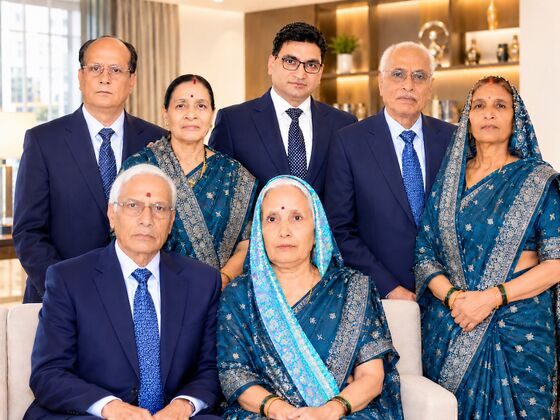 Family portrait with loved ones and family elders.


Relationships and Family Values
Beyond his professional responsibilities, Singh places importance on family, mutual respect and enduring human relationships. He shares a particularly close bond with his father-in-law, Mr. Harish Chandra Singh, whom he considers one of the treasured relationships in his personal life.
One of the principles he associates with marriage is that there should be no distinction between one's own parents and one's parents-in-law. For him, marriage represents the coming together of two individuals as well as their families, values and responsibilities.
He believes that affection and respect should continue through different circumstances and that meaningful relationships deserve to be preserved through understanding and mutual regard.
His guiding belief is that relationships are strengthened not by the absence of challenges, but by the commitment to preserve love, dignity and respect.
Education and Academic Journey
School Education
Vijay completed his secondary and higher-secondary education at Mahatma Gandhi Inter College, Gorakhpur, Uttar Pradesh, under the Uttar Pradesh Board.
His school years helped develop his interest in mathematics, computers and technology, which later influenced his decision to pursue engineering.
Bachelor of Technology in Computer Science and Engineering
He pursued a Bachelor of Technology in Computer Science and Engineering at Babu Banarasi Das National Institute of Technology and Management (BBDNITM), Lucknow, affiliated with Uttar Pradesh Technical University (UPTU). He graduated in 2007.
His engineering education provided a foundation in computing systems, software engineering, technology platforms and the principles of designing information systems.
Academic Mentors and Engineering Faculty
Singh acknowledges the influence of his engineering faculty, whose academic guidance and mentorship contributed to his intellectual development and professional aspirations.
Among the professors he identifies as influential during his engineering years are:
- Dr. Akhilesh Das Gupta
- Dr. Alka Gupta
- Dr. Ravi Kahare
- Dr. A. K. Mitra
- Dr. Shraddha Sinha
- Dr. Vivek Kumar Singh
- Dr. Shahanshah Haider Abdi
- Dr. Kamil Rizvi
- Dr. Kripa Shankar Pathak
- Dr. Subha Mishra
- Dr. Anurag Srivastava
- Dr. Kulbhushan Singh
He regards their teaching and mentorship as important influences extending beyond classroom instruction into problem-solving, continuous learning, leadership and professional development.
Higher Education and Doctoral Studies
Return to Academic Inspiration
Nearly fourteen years after completing his engineering degree in 2007, Vijay revisited his engineering college. The visit renewed his connection with the academic community that had shaped his early intellectual development and encouraged reflection on further formal education.
His interest in postgraduate and doctoral studies was influenced by conversations with former faculty members and the academic achievements of people in his extended family.
Faculty Recommendation
A recommendation letter dated 14 October 2026 from Dr. V. K. Singh, Professor and Director – Engineering at Babu Banarasi Das Northern India Institute of Technology, provides an account of Vijay's undergraduate performance during the 2003–2007 B.Tech. programme.
Dr. Singh taught him Theory of Automata and Formal Languages, Discrete Structures, and Computer Organization and Architecture.
The letter records that Vijay ranked among the top five students in his batch throughout all eight semesters. It also describes his academic aptitude, analytical thinking, ability to understand complex concepts, independent work, participation in academic discussions and contribution to campus activities.
The recommendation mentions his participation in the Computer Forum (Association of Computer Engineers), coding competitions and inter-college competitions held during Utkarsh, the institution's annual festival. It also notes his communication skills, organizational initiative and involvement in college activities.
Dr. Singh concluded the letter with a recommendation for the conferment of an honorary doctorate in Technology Strategy and Innovation.
Academic Role Models Within the Family
Vijay's interest in doctoral education was also influenced by academic role models in his extended family.
His cousin, Associate Professor Dr. Poonam Singh, holds a Ph.D. from Jawaharlal Nehru University (JNU), New Delhi. Her academic journey represents an example of scholarly achievement and commitment to higher education.
Her husband has multiple doctoral qualifications, including one from the University of Cambridge. Their academic achievements and encouragement contributed to Vijay's interest in advanced study and research.
He also acknowledges encouragement from Dr. Kripa Shankar Gupta, whose advice helped prompt him to apply for further studies.
Doctoral Studies at Golden Gate University
Following the application process, Vijay received offers from multiple institutions, including DANASTER, ESGCI and Golden Gate University.
He chose Golden Gate University (GGU) to pursue doctoral-level studies in Emerging Technologies, focusing on Generative AI and Agentic AI.
He is described as a doctoral candidate, and the programme remains an ongoing academic pursuit. His research direction reflects an interest in technologies that are changing enterprise systems, organizational intelligence and business operations.
Honorary Doctorate in Technology and Innovation
Vijay was awarded an Honorary Doctor of Philosophy in Technology and Innovation by Orange County University (OCU).
The honorary recognition is distinct from his ongoing doctoral studies at Golden Gate University. The OCU recognition is an honorary distinction, whereas the GGU programme is an academic course of study that remains ongoing.
Professional Career
Beginning of a Professional Journey
After graduating in Computer Science and Engineering in 2007, Vijay entered the technology profession. His early professional identity included the designation of Senior System Analyst.
The initial stage of his career involved exposure to enterprise systems, software platforms, systems integration and technology delivery.
His responsibilities and professional interests subsequently expanded towards enterprise architecture, technology consulting, global transformation and executive technology leadership.
Early Professional Experience
His professional development has included work and exposure across several technology domains:
- Enterprise application architecture.
- Systems integration and middleware.
- API-led integration and event-driven architectures.
- Enterprise application modernization.
- Cloud and platform architecture.
- Technology consulting and solution design.
- Enterprise systems and business process enablement.
These areas contributed to his understanding of how technology systems must align with business requirements, operational capabilities, security expectations and long-term organizational objectives.
Evolution into Enterprise Architecture
A major development in Singh's career was his transition towards Enterprise Architecture.
He became increasingly focused on connecting business strategy with application landscapes, infrastructure, data platforms, integration ecosystems, security and technology investment decisions.
His enterprise architecture work and interests encompass:
- Enterprise Architecture strategy.
- Architecture governance.
- Target-state architecture.
- Transformation roadmaps.
- Technology standards and principles.
- Application portfolio optimization.
- Architecture review and decision-making.
- Technology lifecycle management.
- Executive stakeholder engagement.
He views Enterprise Architecture as a strategic discipline that connects organizational objectives with technology capabilities and investment decisions.
Global Professional Experience
Singh's professional journey has included contributions to initiatives and technology environments associated with international organizations and public-sector environments.
His professional experience and engagements have included work associated with:
- Digital Dubai.
- ServiceOntario.
- Canadian public-sector organizations.
- Goldman Sachs.
- Carnival Cruise Line.
- Sabre.
- RSA.
- SecureWorks.
These experiences have contributed to his understanding of international enterprise technology environments, business-critical platforms and complex stakeholder ecosystems.
His professional outlook emphasizes balancing global technology standards with local business requirements, regulatory expectations and organizational operating models.
Enterprise Architecture Centre of Excellence
A defining part of his professional approach is the development and evolution of Enterprise Architecture as an organizational capability.
His areas of focus include:
- Enterprise Architecture operating models.
- Architecture Centres of Excellence.
- Architecture principles, standards and patterns.
- Target-state architecture and roadmaps.
- Architecture review boards.
- Application portfolio rationalization.
- Technology lifecycle management.
- Architecture repository management.
- Business capability and technology alignment.
He views the Enterprise Architecture Centre of Excellence as a strategic function that can help organizations manage technology complexity, improve investment decisions and support transformation governance.
Technology Leadership and Executive Positioning
Singh's professional identity extends beyond traditional architecture responsibilities towards broader technology strategy and executive leadership.
His professional positioning includes Senior Director and Head – Enterprise Architecture & AI, together with Global VP and Zonal CIO-level leadership positioning.
His executive technology perspective includes:
- Technology strategy and business alignment.
- Enterprise transformation.
- Technology investment optimization.
- Architecture governance.
- AI portfolio development.
- Organizational innovation.
- Enterprise risk and resilience.
- Strategic stakeholder engagement.
His leadership philosophy emphasizes connecting technology decisions directly to organizational priorities and measurable business outcomes.
Enterprise Transformation and Modernization
Vijay's transformation interests and professional experience encompass the modernization of complex enterprise environments.
His areas of work and strategic focus include:
- Application portfolio optimization.
- Legacy platform modernization.
- Cloud migration and optimization.
- Mainframe offloading.
- VMware and infrastructure optimization.
- .NET modernization.
- Enterprise integration modernization.
- Mergers and acquisitions technology integration.
- Technical debt reduction.
- Enterprise governance and transformation assurance.
He emphasizes that transformation should be evaluated through business impact rather than simply the quantity of technology delivered.
His approach focuses on improvements in cost, complexity, operational effectiveness, agility, resilience and organizational decision-making.
Architecture Governance and Enterprise Decision-Making
An important dimension of Singh's professional philosophy is structured governance that enables architectural consistency without unnecessarily restricting innovation.
His areas of interest include:
- Architecture Review Boards.
- Architecture Advisory and Governance models.
- Permit-to-Build governance.
- Enterprise Architecture triage.
- Architecture exceptions and risk management.
- Security and compliance assessments.
- Technology standards and design patterns.
- Portfolio-level architecture decisions.
- Governance automation and continuous assurance.
He views governance as an enabler of responsible innovation, controlled transformation and long-term technology sustainability.
Data, Integration and Cloud Architecture
Singh's technical and architectural interests span enterprise data architecture, cloud platforms, enterprise integration, event-driven architectures, APIs, middleware and modern digital platforms.
His integration technology exposure includes:
- Solace.
- Apache Kafka.
- TIBCO.
- SnapLogic.
- Boomi.
- MuleSoft.
- Workato.
His broader interests include multi-cloud architecture, enterprise data platforms, application modernization and scalable digital ecosystems.
These disciplines form part of his approach to enterprise-wide AI transformation.
Artificial Intelligence and Innovation
The Artificial Intelligence Journey
Artificial Intelligence is a major area of Vijay's ongoing professional development and thought leadership.
His engagement spans:
- Machine Learning.
- Deep Learning.
- Generative AI.
- Large Language Models.
- Retrieval-Augmented Generation (RAG).
- Agentic AI.
- Enterprise AI architecture.
He views AI as a technology with the potential to change how enterprises operate, make decisions, deliver services and create business value.
His approach focuses on connecting AI capabilities with enterprise architecture, business strategy, data platforms, security, governance and operational execution.
Enterprise AI Architecture and Strategy
Singh's Enterprise AI vision emphasizes the development of scalable, secure, governed and business-aligned AI capabilities.
His strategic areas include:
- Enterprise AI reference architectures.
- Generative AI platform strategy.
- Agentic AI and multi-agent ecosystems.
- RAG and enterprise knowledge architectures.
- AI-ready data platforms.
- AI model lifecycle governance.
- AI security and responsible AI.
- AI-enabled application modernization.
- Enterprise AI operating models.
- Business-aligned AI investment frameworks.
He believes that sustainable enterprise AI adoption requires an integrated architecture across models, data, infrastructure, integration, security, governance, applications and business processes.
Vision of the AI-Native Enterprise
Vijay's vision of the AI-native enterprise extends beyond isolated chatbots, copilots and automation use cases.
He envisions organizations in which AI becomes an integrated capability across business processes, enterprise systems, decision-making, technology operations and organizational intelligence.
The vision includes:
- Enterprise data becoming a continuously governed intelligence asset.
- AI agents supporting and executing authorized business workflows.
- Enterprise systems becoming increasingly intelligent and interconnected.
- Architecture governance becoming more predictive and automated.
- Human decision-makers being supported by contextual intelligence.
- Responsible AI principles being embedded throughout the operating model.
His central proposition is that organizations must move beyond conventional digital transformation towards enterprise-wide intelligence and responsible autonomy.
Enterprise Architecture 5.0
One of Vijay's signature intellectual contributions is his Enterprise Architecture 5.0 philosophy.
The philosophy explores the evolution of Enterprise Architecture from traditional documentation, governance and technology alignment towards an intelligent, continuously evolving and business-value-oriented discipline.
Enterprise Architecture 5.0 Value Chain™
The Enterprise Architecture 5.0 Value Chain™ is expressed through the following lifecycle:
Sense → Assess → Intelligence → Architecture → Govern → Align → Invest → Transform → Enable → Operate → Assure → Measure → Optimize → Evolve → Autonomize.
The model emphasizes the connection between enterprise intelligence, strategic decisions, investment, transformation execution, governance and measurable business outcomes.
Its objective is to position Enterprise Architecture as an active business transformation capability rather than solely a technology documentation or compliance function.
ATLAS™ – Architecture Transformation and Leadership Alignment System
Another intellectual contribution associated with Vijay is ATLAS™, which stands for Architecture Transformation & Leadership Alignment System.
The framework is intended to connect enterprise strategy with architecture intelligence, transformation execution, governance and measurable outcomes.
Its conceptual lifecycle encompasses:
- Business Strategy.
- Architecture Intelligence.
- Transformation.
- Governance and Execution.
- Business Outcomes.
- Continuous Evolution.
ATLAS™ reflects the principle that enterprise architecture transformation must remain connected to leadership priorities and business value throughout its lifecycle.
Responsible AI, Security and Governance
Singh believes that the future of AI should be developed around trust, accountability, transparency, security and responsible innovation.
His areas of interest include:
- Responsible AI governance.
- AI risk management.
- AI security architecture.
- Privacy and data protection.
- Model lifecycle governance.
- Human oversight and accountability.
- AI regulatory alignment.
- Agentic AI controls and assurance.
- Secure enterprise AI adoption.
His approach emphasizes governance throughout the AI lifecycle, from strategy and data preparation through development, deployment, monitoring and continuous improvement.
Enterprise Intelligence and AI-Driven Transformation
Vijay's enterprise intelligence vision connects Enterprise Architecture, data platforms, AI capabilities and executive decision-making.
His strategic interests include integrating enterprise architecture repositories such as SAP LeanIX with modern data platforms, including Databricks Lakehouse, to support an intelligent enterprise command centre.
Such an architecture can support:
- Enterprise architecture intelligence.
- Technology portfolio visibility.
- Application and infrastructure optimization.
- AI-driven risk insights.
- Business and technology alignment.
- Investment prioritization.
- Executive transformation dashboards.
- Continuous architecture optimization.
The broader objective is to make enterprise intelligence actionable, measurable and accessible to organizational leadership.
Intellectual Contributions and Framework Development
Vijay's intellectual interests extend beyond the application of established architecture frameworks. He is engaged in developing methodologies, conceptual models and strategic approaches addressing enterprise architecture, AI transformation, governance and organizational evolution.
His framework portfolio includes Enterprise Architecture 5.0 and ATLAS™, alongside other developing concepts and methodologies.
His broader framework development interests include:
- Enterprise architecture governance.
- AI transformation.
- Enterprise intelligence.
- Architecture operating models.
- Responsible AI.
- Technology strategy and organizational transformation.
Formal intellectual-property protection, accreditation and publication status should be established separately for each framework.
Education, Certifications and Professional Development
Academic Qualifications
| Qualification | Institution | Details |
|---|---|---|
| Bachelor of Technology in Computer Science and Engineering | Babu Banarasi Das National Institute of Technology and Management, Lucknow | Graduated in 2007; affiliated with Uttar Pradesh Technical University |
| Doctoral studies in Emerging Technologies | Golden Gate University | Ongoing doctoral candidacy focused on Generative AI and Agentic AI |
| Honorary Doctor of Philosophy in Technology and Innovation | Orange County University | Honorary recognition |
Professional Certifications
Vijay's professional profile describes a broad certification and professional development journey, with more than 200 professional certifications and specialized credentials reported.
His areas of certification and learning include:
- Enterprise Architecture.
- Artificial Intelligence and Generative AI.
- AI Security and Governance.
- Cybersecurity and Information Security.
- Cloud Architecture.
- Enterprise Integration.
- Business Architecture.
- Risk Management.
- Technology Governance.
- Digital Transformation.
Selected certification and professional learning ecosystems include TOGAF, SAP Certified Enterprise Architect, SABSA, ITIL 4 and SAFe, alongside specialized AI architecture programmes.
The status and validity of individual credentials should be considered separately when documenting a formal certification register.
Lifelong Learning
Singh regards continuous learning as a central principle of his professional identity.
His learning approach combines formal education, professional certification, research, practical technology exploration, architectural experimentation and knowledge sharing.
He believes senior technology leaders must remain intellectually curious and continuously challenge established assumptions.
For him, learning is not simply a means of acquiring credentials; it is a way to improve professional judgment, strategic thinking and the ability to anticipate technological change.
Awards, Honours and Professional Recognition
Vijay's professional profile records recognition from business publications, leadership platforms, industry organizations and professional award programmes.
Reported recognitions include:
- Business Talkz – India's Hall of Fame: A recognition feature associated with Magazine Edition 138.
- CIO Mogul 2026: A leadership recognition and editorial feature.
- The CIO World 2026: A leadership feature under the theme "Architecting the Intelligent Enterprise of the Future."
- Sir M. Visvesvaraya Award: Recognition associated with Global Enterprise Architecture, AI and Digital Transformation.
- International professional recognition: Features and recognitions relating to enterprise architecture, AI and digital transformation.
A complete awards register should include the exact award title, awarding organization, year, category and supporting announcement or certificate.
Media Features and Publications
Vijay's professional profile has been associated with business, technology and leadership-oriented publications.
Business Talkz
Business Talkz featured Vijay in its India's Hall of Fame, Magazine Edition 138, which presents profiles of personalities and leaders.
CIO Mogul
His profile includes a 2026 leadership recognition and editorial feature associated with enterprise AI and digital transformation.
The CIO World
The CIO World featured a 2026 leadership profile under the theme "Architecting the Intelligent Enterprise of the Future."
International Herald
An International Herald feature is also listed in his professional profile. The exact editorial and publication details should be confirmed against the original publication.
Magazine Covers and Editorial Features
His media archive includes categories for:
- International magazine covers.
- Leadership profiles.
- Editorial interviews.
- Technology thought leadership articles.
- Industry award editions.
- Professional recognition features.
- Published expert perspectives.
Each entry can be documented with the original cover or article, publication date, title and official source.
Research, Publications and Thought Leadership
Vijay's thought leadership focuses on the transformation of Enterprise Architecture and the emergence of AI-native organizations.
His principal areas of publication interest include:
- Enterprise Architecture 5.0.
- AI-Native Enterprise Architecture.
- Agentic AI and Autonomous Enterprises.
- Enterprise AI Strategy and Governance.
- Responsible AI and Security.
- Architecture Transformation and Leadership Alignment.
- Enterprise Intelligence and Decision Automation.
- The Changing Role of the CIO.
His developing frameworks and methodologies provide a foundation for future publications, professional research and industry knowledge sharing.
Professional Affiliations and Industry Contributions
Vijay's professional development and industry engagement span several international technology and architecture communities.
His professional credentials and associations include ecosystems associated with:
- The Open Group.
- IASA Global.
- ISC2.
- SABSA.
- SAP Enterprise Architecture.
- AI Authority.
- Other architecture, cybersecurity and AI professional communities.
His broader professional interests include improving enterprise architecture practices, strengthening responsible AI adoption and advancing technology leadership.
Formal memberships, certification credentials and advisory positions should be individually identified and documented.
Speaking Engagements and Knowledge Sharing
Knowledge sharing is an important part of Vijay's broader professional vision.
His areas of interest for professional speaking, industry forums and knowledge-sharing engagements include:
- The evolution of Enterprise Architecture.
- Enterprise Architecture 5.0.
- Generative AI and Agentic AI.
- Responsible AI and governance.
- AI-native enterprise transformation.
- CIO and CTO leadership.
- Enterprise technology modernization.
- The future of intelligent organizations.
This area of his professional profile can document verified speaking engagements, conference appearances, webinars, panels and expert contributions.
Global Technology Leadership
Leadership Across Borders
Vijay's international professional exposure has shaped his understanding of technology leadership across diverse organizational and cultural environments.
His experience associated with global business and public-sector technology ecosystems has provided perspectives on differing regulatory environments, enterprise operating models, stakeholder expectations and transformation priorities.
He believes effective global technology leadership requires the ability to balance international standards with regional business realities.
Boardroom Perspectives and Strategic Decision-Making
His executive technology philosophy emphasizes connecting technology decisions directly to business strategy.
He believes enterprise architecture leaders must understand financial priorities, operational constraints, enterprise risk, customer expectations and strategic investment decisions.
His CIO-oriented perspective places importance on:
- Technology investment effectiveness.
- Business capability alignment.
- Enterprise risk and resilience.
- Digital innovation.
- Portfolio optimization.
- AI transformation.
- Organizational agility.
- Measurable business outcomes.
People, Culture and Leadership Development
Singh believes technology transformation depends on people and organizational culture as much as on platforms and systems.
His leadership philosophy emphasizes collaboration, knowledge sharing, accountability, continuous improvement and professional growth.
He considers the development of future technology leaders an important part of the technology industry's long-term progress.
Transformational Leadership
His transformation philosophy focuses on converting strategic ambitions into measurable enterprise outcomes.
The approach includes:
- Defining a transformation vision.
- Assessing current-state capabilities.
- Establishing target-state architecture.
- Prioritizing investments.
- Managing transformation dependencies.
- Embedding governance and assurance.
- Tracking measurable outcomes.
- Continuously optimizing enterprise capabilities.
He believes the ultimate test of architecture leadership is the extent to which it improves business performance and enables sustainable transformation.
Personal Interests and Life Beyond Work
Vijay's professional interests extend into a broader curiosity about emerging technologies, innovation, knowledge and the future of society.
His commitment to continuous learning is reflected in his engagement with Artificial Intelligence, Generative AI, Agentic AI, enterprise technology and leadership methodologies.
He views intellectual curiosity as an important part of life beyond professional responsibilities.
Challenges, Resilience and Defining Moments
Vijay's professional journey reflects the need to adapt to continuous technological change, develop expertise across multiple domains and evolve alongside changing business requirements.
Important turning points in his career include choosing computer science as his academic foundation, entering the technology industry, moving towards enterprise architecture, gaining exposure to international technology environments and expanding into Artificial Intelligence.
These developments represent an ongoing process of learning, adaptation and professional growth.
Life Lessons and Personal Philosophy
Vijay's professional and personal philosophy can be expressed through several principles:
- Never stop learning.
- Build expertise before pursuing recognition.
- Remain adaptable in changing environments.
- Treat challenges as opportunities for development.
- Value relationships and professional integrity.
- Connect ambition with responsibility.
- Focus on long-term contribution rather than short-term visibility.
- Make knowledge useful to others.
- Keep personal values independent of professional titles.
He believes that genuine success is built through personal character, professional excellence, meaningful relationships and positive contributions to others.
Mentors and People Behind the Journey
Vijay acknowledges the teachers, mentors, family members and well-wishers whose guidance and encouragement have influenced his development.
His academic influences include Dr. V. K. Singh, Dr. Ravi Kahare, Dr. Shraddha Sinha and Dr. Shahanshah Haider Abdi. He also acknowledges Dr. Kripa Shankar Gupta for encouraging him to pursue further studies.
His cousin, Associate Professor Dr. Poonam Singh, and her husband's academic achievements have also contributed to his appreciation of higher education and research.
His family background, particularly its association with education, remains an important foundation of his personal and professional journey.
Future Vision and the AI-Native Enterprise
Vijay's long-term professional vision is to contribute to the evolution of Enterprise Architecture into an intelligent and continuously evolving strategic discipline.
He believes the next generation of enterprises will require integrated capabilities across:
- Business strategy.
- Enterprise architecture.
- Data intelligence.
- Artificial Intelligence.
- Autonomous operations.
- Security and governance.
- Continuous transformation.
His future aspirations include global executive technology leadership, enterprise-wide AI transformation, responsible Agentic AI adoption, development and publication of original architecture frameworks, international thought leadership, mentorship and professional knowledge sharing.
He sees the coming years as an opportunity to bring together his experience in Enterprise Architecture, AI, technology strategy and leadership to contribute to organizational and industry development.
Purpose, Values and Lasting Legacy
For Vijay, professional success is important, but it is not the only measure of a meaningful life.
His broader philosophy recognizes the importance of family, personal integrity, continuous learning, professional contribution and the ability to make a positive difference.
He believes recognition and career progression should remain connected to responsibility and meaningful impact.
Empowering Future Generations
Education has been an important part of Vijay's family background and personal development.
His broader vision includes supporting knowledge sharing, mentoring aspiring architects and technology professionals, and encouraging the next generation to develop capabilities in emerging technologies.
He believes knowledge becomes more valuable when it is shared.
Building a Lasting Legacy
Vijay's vision of legacy extends beyond professional positions and individual accomplishments.
He aspires to develop a body of intellectual contributions through frameworks, publications, methodologies, research and professional knowledge sharing.
Enterprise Architecture 5.0 and ATLAS™ represent important elements of this vision.
His longer-term aspiration is to create knowledge assets that can help organizations and future technology leaders approach enterprise transformation more intelligently.
The Vijay Prakash Singh Leadership Manifesto
Ten Principles That Define His Journey
- Purpose Before Position: Titles define responsibilities; purpose defines the journey.
- Knowledge Without Boundaries: Learning is not a destination. It is a lifelong commitment.
- Excellence Without Compromise: Every responsibility deserves integrity, discipline and commitment.
- Architecture Beyond Technology: True architecture connects people, strategy, technology and business value.
- Innovation With Responsibility: Progress must be intelligent, ethical, secure and sustainable.
- Resilience Through Adversity: Challenges create opportunities to discover strength and develop perspective.
- Family as a Foundation: Professional success becomes more meaningful when grounded in family and shared values.
- Leadership Through Empowerment: The greatest measure of leadership is the success of the people one helps develop.
- Recognition With Humility: Recognition should encourage greater contribution rather than become the destination.
- Legacy Beyond a Lifetime: The ultimate achievement is to leave behind knowledge, values and contributions that continue to inspire others.
A Message to Future Generations
Never allow your circumstances to define the boundaries of your ambition.
Where you begin is important, but it does not determine how far you can go. Your education, curiosity, discipline and willingness to learn can open doors that may initially seem beyond reach.
Respect your roots, value your family, remain grateful to those who support you and never stop developing yourself.
Technology will change. Industries will transform. Careers will evolve. What matters is your ability to adapt while remaining grounded in integrity and purpose.
Do not pursue recognition at the expense of character. Do not pursue success at the expense of relationships. Do not pursue innovation without responsibility.
Build something meaningful. Help others grow. Share your knowledge. Remain humble in success and resilient in difficult times.
Most importantly, remember that your legacy is not simply what you leave behind in the form of achievements. It is what continues through the people you inspire, the knowledge you share and the positive difference you make.
Dream boldly. Learn continuously. Lead responsibly. Live meaningfully.
Acknowledgements and Gratitude
Vijay's biography acknowledges the contribution of his parents, grandparents, siblings, extended family, spouse, daughter, teachers, academic mentors, colleagues, professional collaborators and well-wishers.
Particular gratitude is extended to his family for providing the foundation of values and education; his engineering faculty for their academic guidance; Dr. V. K. Singh for his written recommendation; and academic role models whose achievements encouraged his continued pursuit of higher education.
He also recognizes the professional relationships and collaborative experiences that have contributed to his development as a technology leader.
See Also
- Enterprise Architecture
- Artificial Intelligence
- Generative Artificial Intelligence
- Digital Transformation
- Cloud Computing